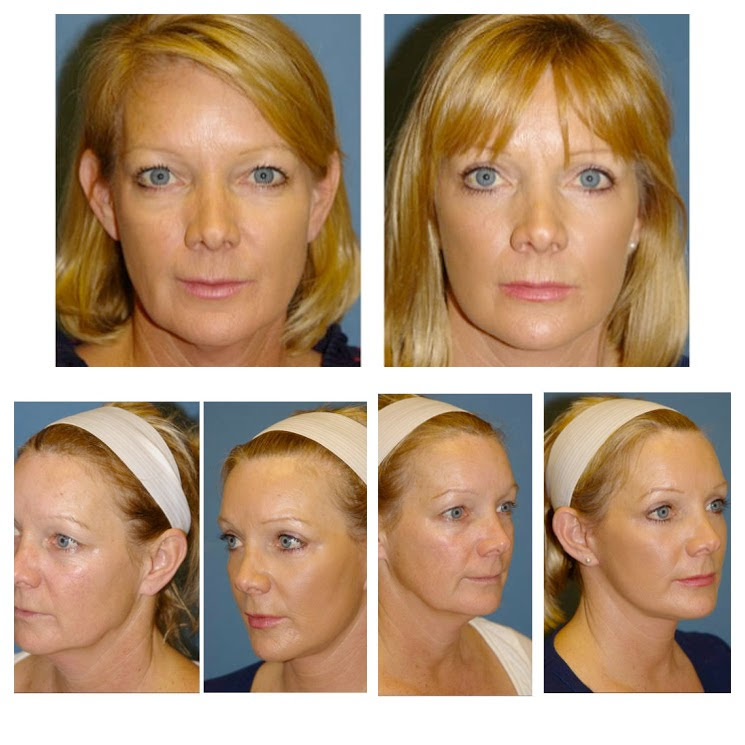
Meet with Dr. Melanie Petro at PETRO in Vestavia Hills to discuss the jawline, jowls or neck changes you see. The consultation separates tissue descent, volume loss and skin changes before choosing a plan. Your written surgical quote includes the surgeon, facility, anesthesia and follow-up.
An overly tight or poorly balanced result can be conspicuous. Planning should consider the hairline, ears, facial movement, volume and the balance between the face and neck—not simply how much skin can be tightened.
Bring the concern to the consultation. Ask what can realistically improve, what will remain, and where the scars will sit. No technique can promise an invisible operation or a particular result.
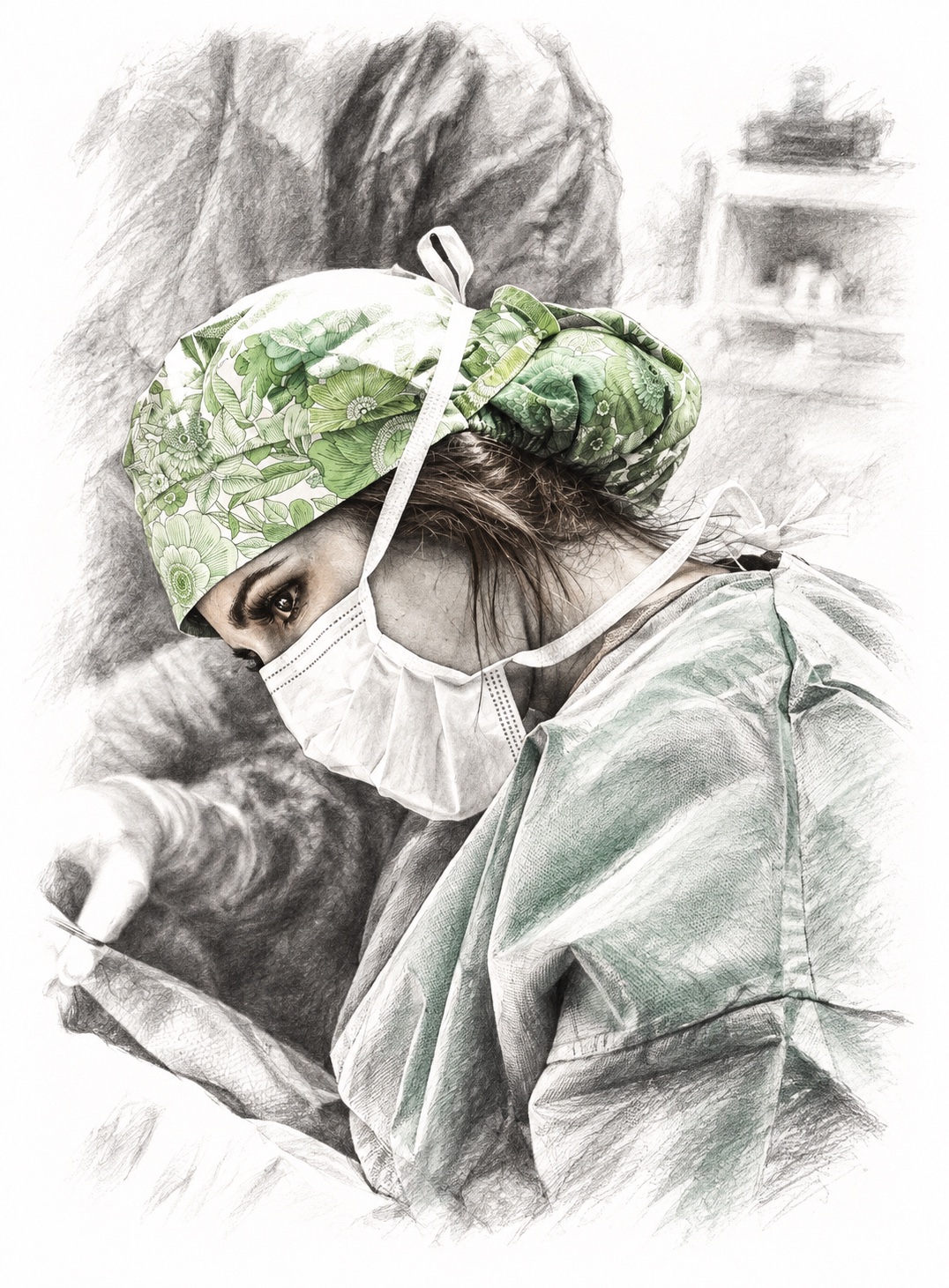
“My responsibility is not to sell a procedure. It is to explain what each option can accomplish, what it cannot accomplish, and what trade-offs come with it.”
02 First, name the change
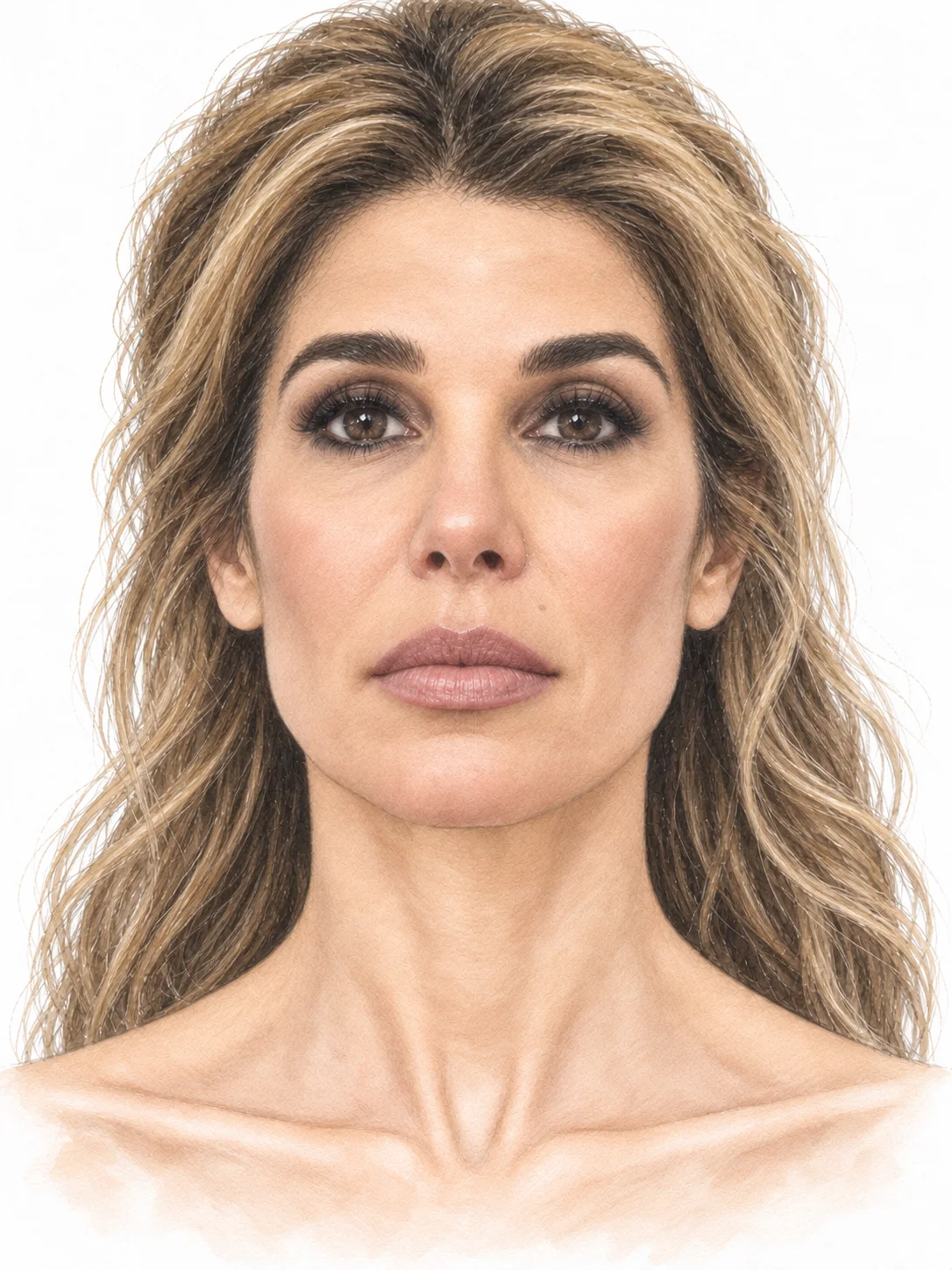
A map. Not a diagnosis.
Loose skin, hollowing and sun damage are different concerns. They may coexist; they do not call for the same tool.
face + neckConceptual regions only. No surgical planes or treatment directions are shown.
Choose a category to explore
When tissue has shifted.
Jowls, a softer jawline and loose neck skin may reflect tissue descent. A lifting discussion asks which structures need support and whether the neck needs separate attention.
If a changing jawline is what brought you here, I hate these jowls connects that concern with the lift-versus-filler evaluation, including what each approach may leave unchanged.
When fullness has changed.
Hollowing is not the same as loose skin. Filler or fat may address selected volume loss; they cannot remove excess skin. Neck fullness is not always a fat problem.
Texture, pigment and fine lines may call for skin-directed care. Lifting deeper tissue does not erase sun damage, and resurfacing does not replace a lift when descent is substantial.
These selectors explain categories. They do not assess your face or recommend treatment.
03 Set the boundaries
What a lift can. And what it cannot.
Reposition. Redrape.
A facelift may improve descended lower-face tissues, jowls and jawline definition. Selected approaches also address cheek descent.
A neck lift may address loose skin, fullness and muscle bands, depending on anatomy. The two are often planned together.
Not everything. Not forever.
Surgery does not stop aging, guarantee symmetry or restore all lost volume. It does not automatically include eyelid surgery, brow lifting or resurfacing.
Liposuction reduces fat; it does not reliably correct significant loose skin. The examination separates these concerns.
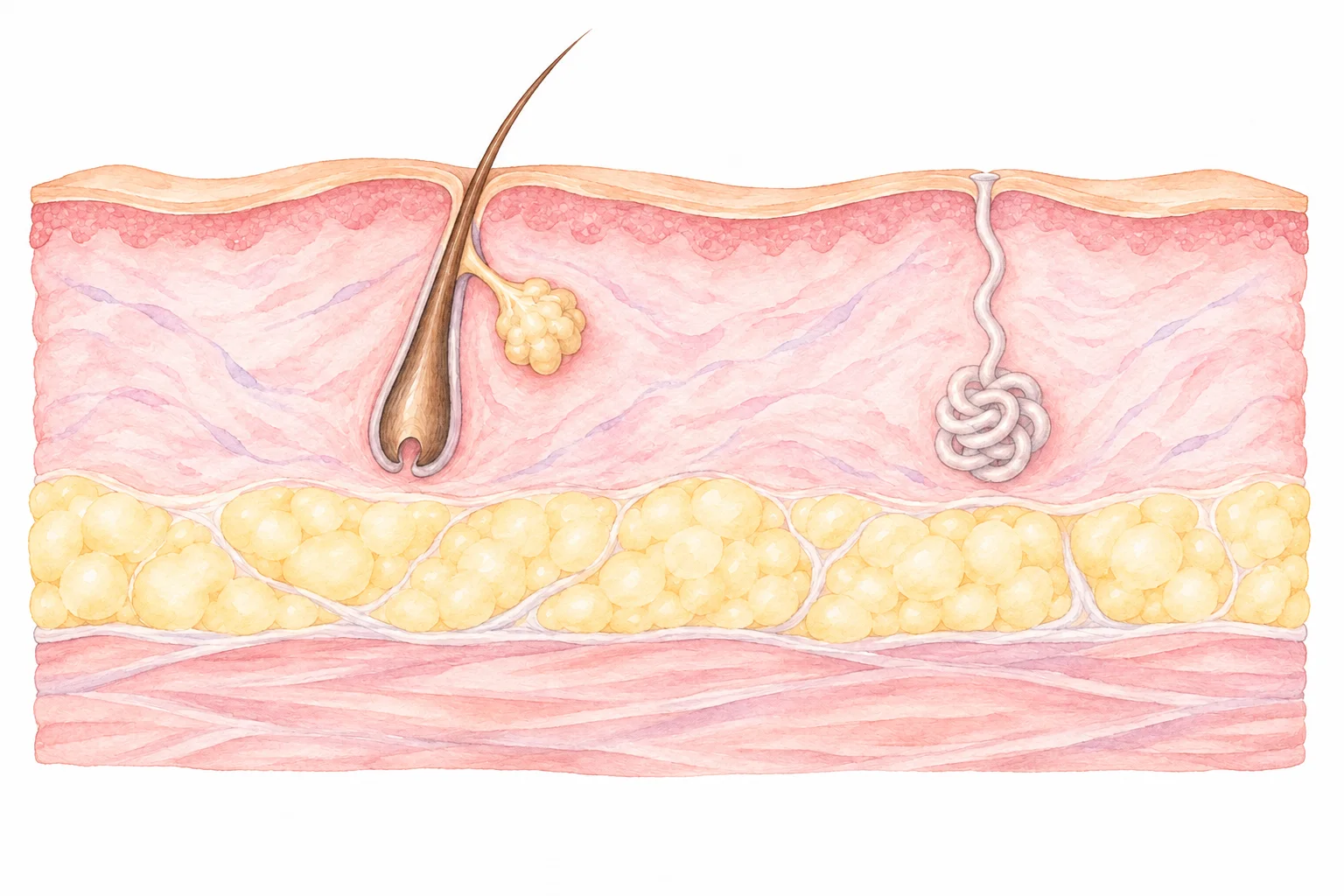
A simplified skin study—not a diagram of the SMAS or a deep-plane operation.
04 Translate the terminology
The name is not the plan.
Some labels describe anatomy; others describe extent. Ask what the surgeon will actually do—and why.
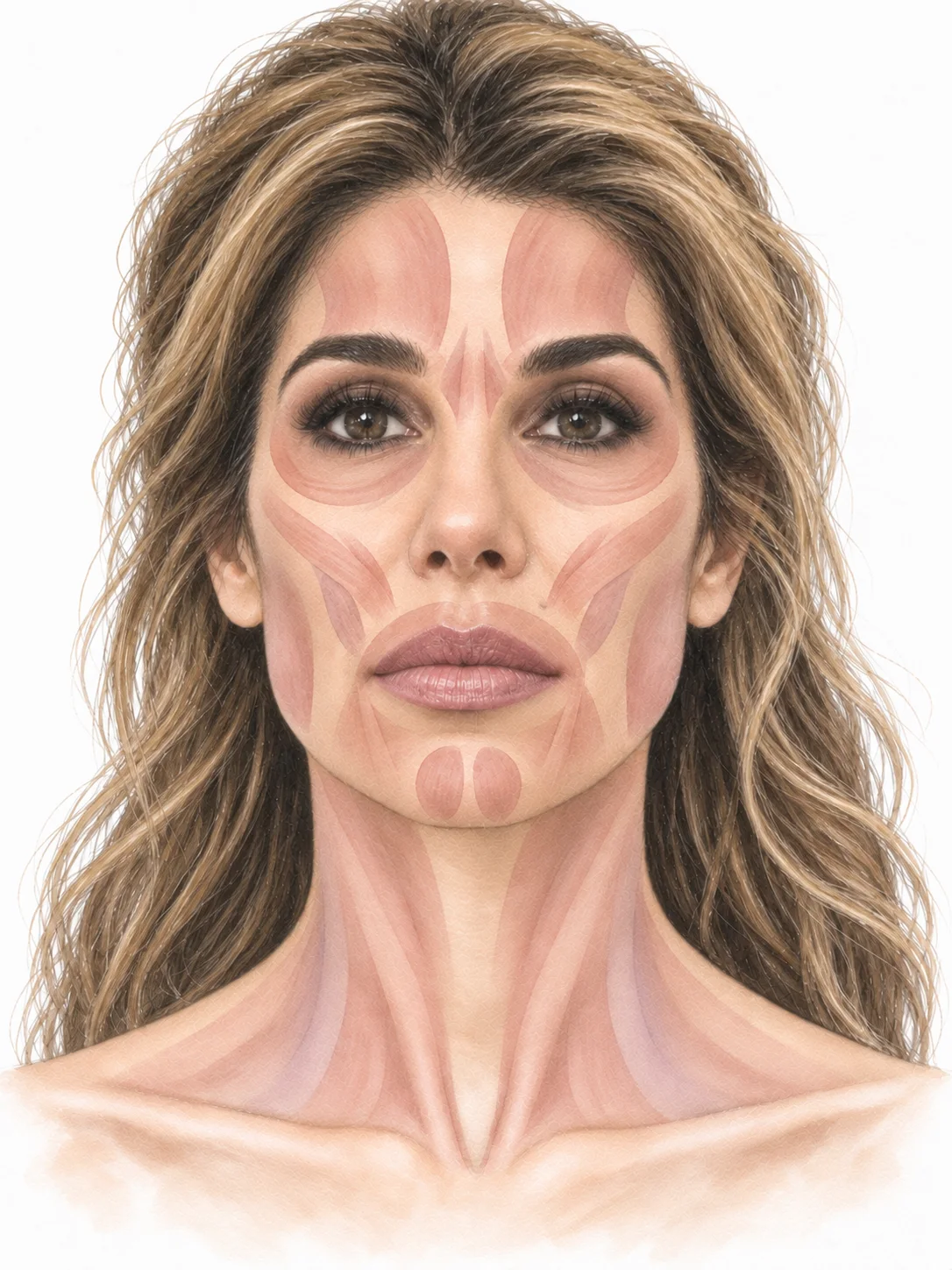
General anatomy study. Not an operative map.
Support
SMAS-based facelift
The superficial musculoaponeurotic system is a supportive fibromuscular layer beneath facial fat. SMAS-based techniques address that support in different ways; the details matter more than the label.
Anatomical plane
Deep-plane facelift
This approach mobilizes tissue in a deeper anatomical plane and releases selected attachments for repositioning. It is not a guarantee of a natural result or automatically the best choice for every face.
Extent
Limited or “mini” lift
A less extensive approach may suit selected, localized changes. Wanting a shorter recovery does not make a limited operation the right one. “Full facelift” also has no single universal definition.
Previous surgery
Revision facelift
Prior surgery changes the planning conversation. Bring the history of earlier operations and treatments; the assessment and trade-offs must be individualized.
Ask about the Petro Petite Lift at your consultation.
05 The story behind the conversation
Louise’s Lift.
The neck changes how you look.
Sometimes it’s the part that makes you feel the oldest.
My grandmother was my lighthouse. I could tell her the same stories, the same feelings, over and over, and she would ask me to tell her more. The lessons she taught me still guide me.
Healing depends on the operation, your health and your own response. A calendar is a planning aid—not a guarantee.
1
The early days
Arrange help, rest and follow-up. Swelling, bruising and tightness can be noticeable. Follow your surgical team’s instructions.
2
The following weeks
Return to routines gradually, with clearance. Feeling ready for a meeting is different from being ready for exercise.
3
The settling months
Swelling continues to change and scars mature. Keep follow-up appointments and ask about anything unexpected.
07 Patients & photographs
More than a photograph.
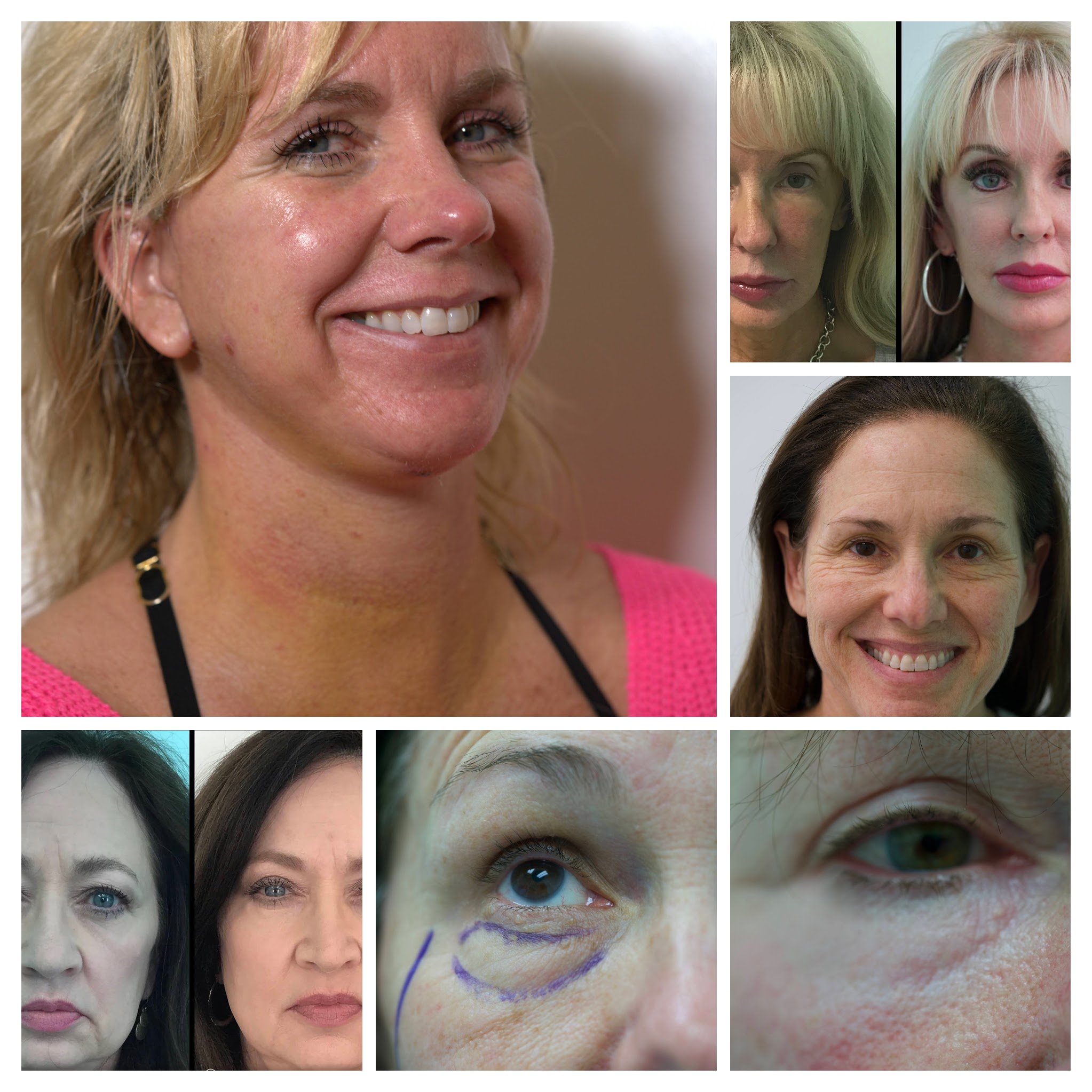
Photographs can start a conversation; they cannot explain an entire treatment plan. Discuss goals, anatomy, recovery and trade-offs in person.
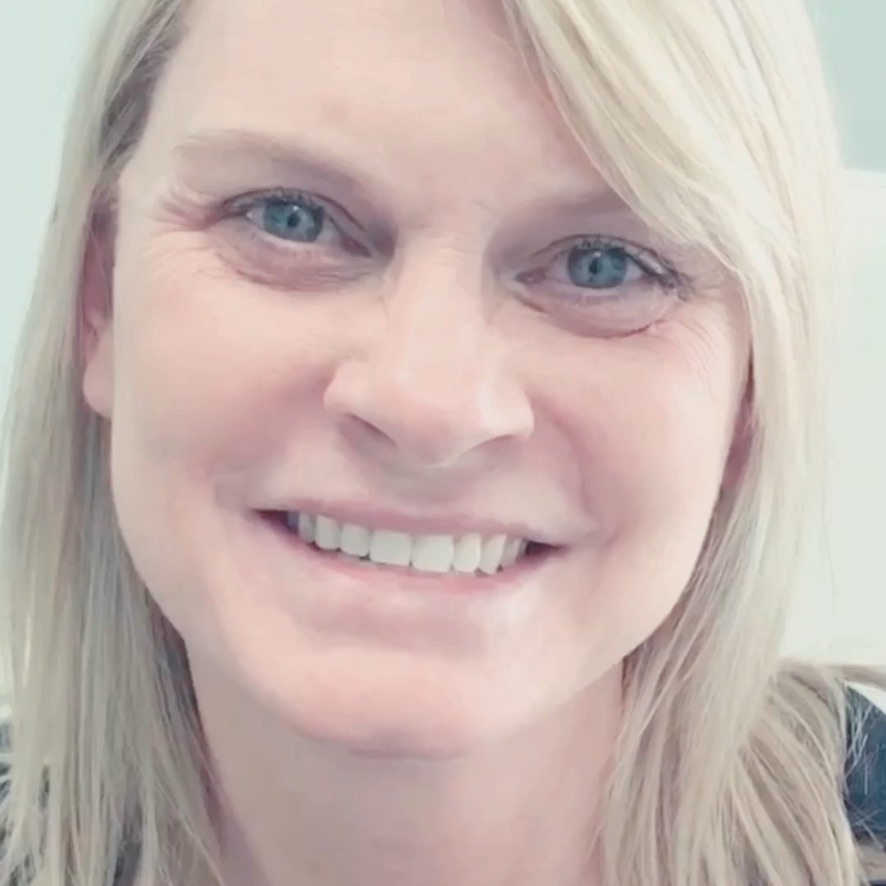
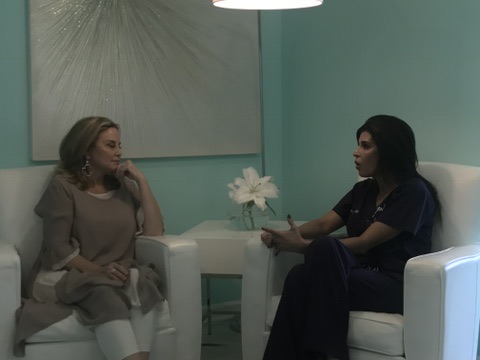
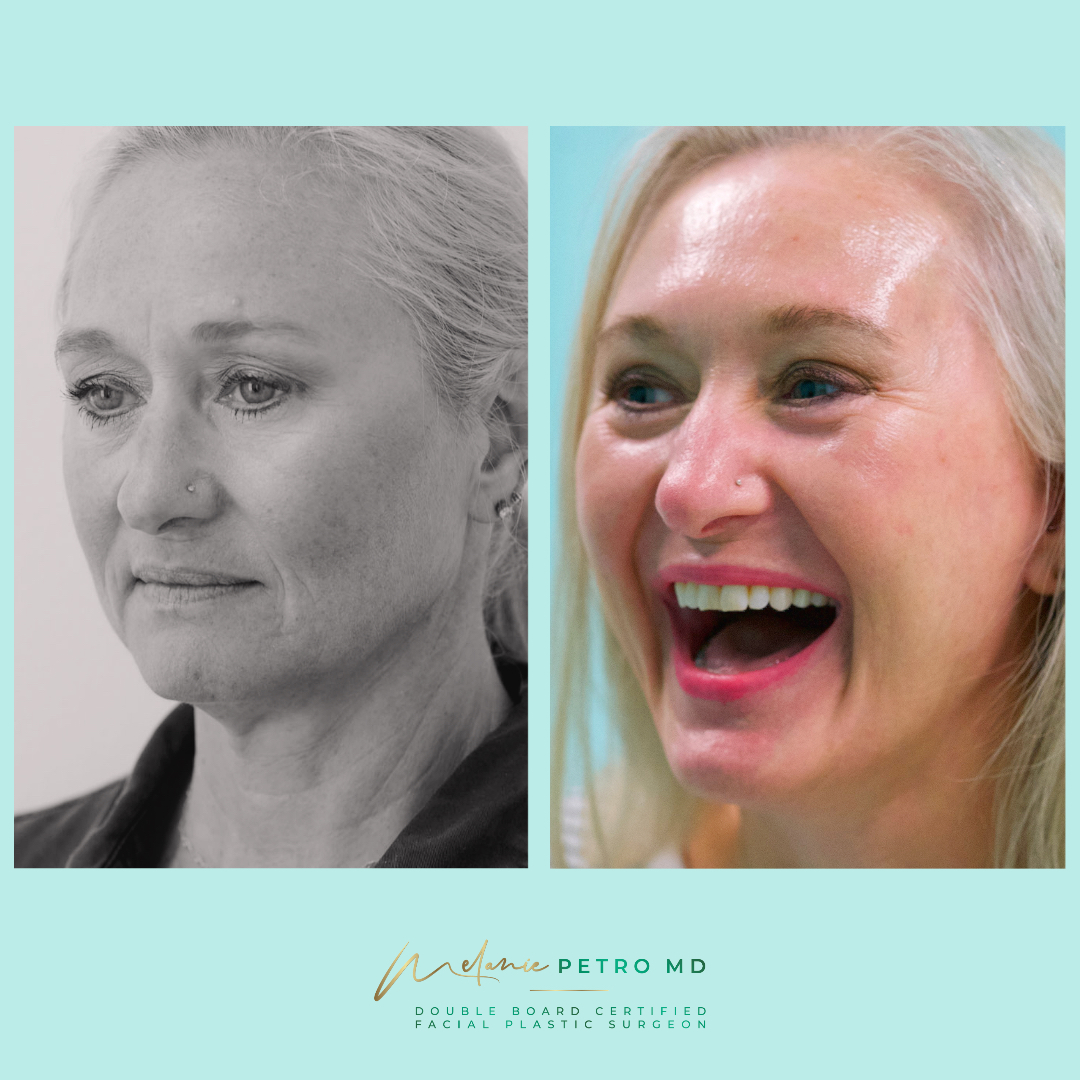
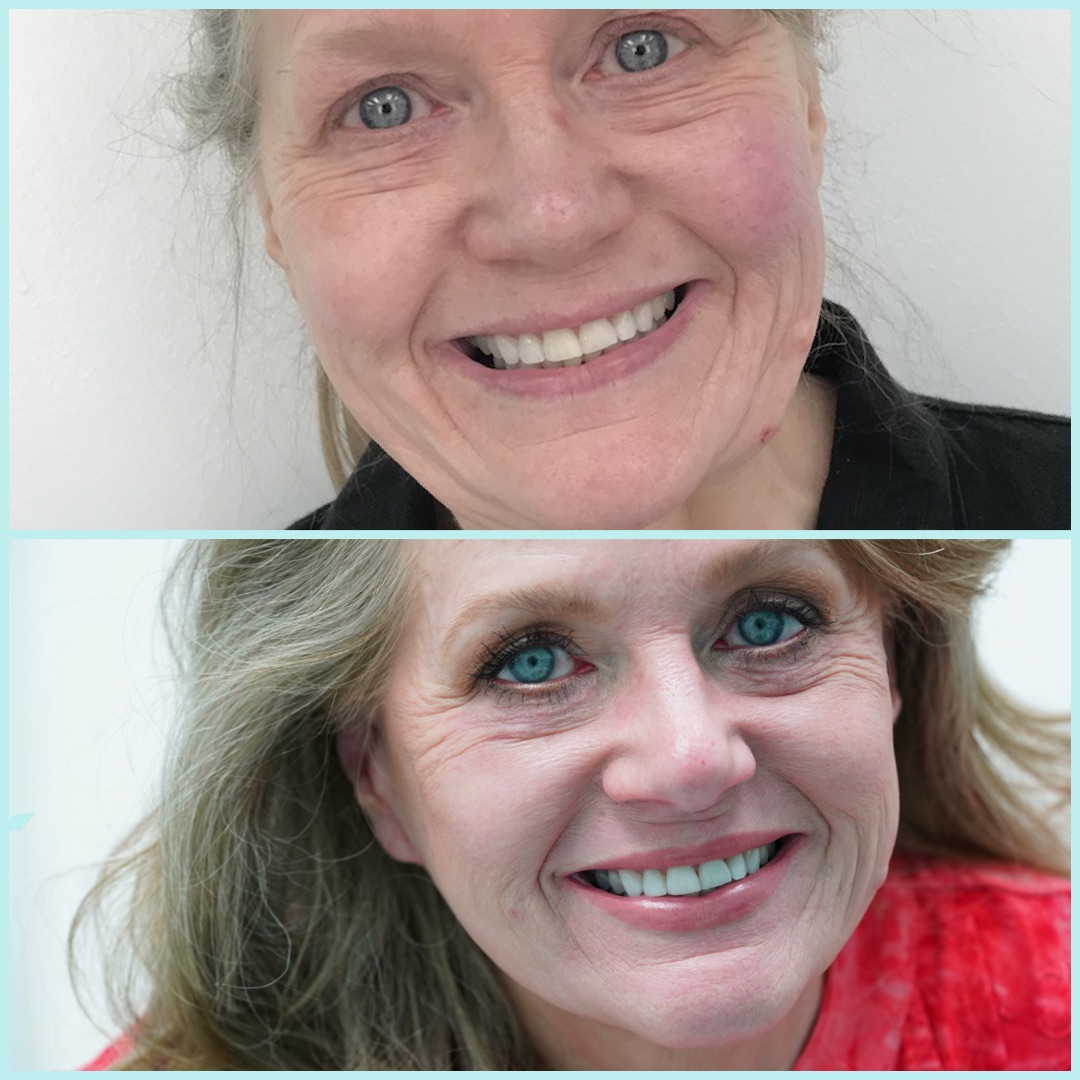
Patient portraitIn conversationPortraits, shown as suppliedPatient photographs
Photographs are shown as supplied. Lighting, expression and framing differ. These are not a standardized surgical before-and-after comparison and do not establish a treatment timeline. Individual experiences and results vary.
The faces of PETRO
Facelift before & after
Look at both photographs. Bring your questions. Tap a comparison for a closer look.
Bring your priorities, prior treatment history, medications and questions. Choosing to wait—or not to treat—is also an option.
Will I look pulled?
Discuss how the plan balances support, skin tension, volume and scars. Ask to see relevant results; no individual outcome can be guaranteed.
Mini, deep plane or something else?
Ask which tissues and areas need attention, what each option leaves untreated and why a particular approach fits your anatomy.
How much time should I set aside?
Ask for individualized ranges for work, driving, exercise and events, with extra room for slower healing. The date matters less than safe recovery.
Should I do filler or Sculptra first?
Identify the concern before choosing the sequence. Volume treatment and lifting serve different purposes. Share all prior injectables with the surgeon.
What does the total cost include?
Request an individualized written estimate covering surgery, anesthesia, facility, follow-up and any possible additional costs.
When you are ready
Let’s make a plan.
One conversation. A clearer understanding of the choices.